
Promotions that are ‘purchase necessary’ to participate often include some sort of primary proof of purchase to make an initial entry to ensure entrants are following promotional rules
What is Proof of Purchase in Promotions?
Importance of proof of purchase
Unique reference numbers (URNs)
Proof of purchase (or POP) is the way shoppers can verify the purchase made from a brand. Within promotions, POP may be necessary as part of the promotional terms.
To ensure that entrants are abiding by these terms and conditions, some promoters require that shoppers retain a receipt or packaging to verify. However, there are now other methods that can also be used to ensure a legitimate purchase has been made.
POP is a way for promoters to verify valid participants of a promotion as opposed to bad actors who may be trying to enter the promotion fraudulently.
Fixed fees are an amount paid by the promoter to a third party, often an agency, who specialises in taking on the risk involved in running a promotion. For example, in a money-back guarantee promotion, a promoter will need to pay back every participant who made a claim. The number or participants is not known, but an estimate can be made. In the scenario that there are more redemptions than expected, with a fixed fee policy in place, the promoter protects themselves by limiting the cost and transferring it to the third-party company with just a single pre-agreed fee, which is calculated before the promotion goes live.
Purchase validation is also a way for brands and promoters to improve and receive accurate rates during fixed fee underwriting, which means that brands will be able to spend less on fixed fees in a money-back promotion, for example. Fewer bad actors and false claims mean that in the fixed fee calculations, the brand will need to spend less to have that safety net in place.
When a promotion uses a purchase validation method, genuine customers are rewarded for their purchases, which fosters a trusting relationship between the brand and its customers.
Certain promotional mechanics also require POP validation techniques due to the nature of the promotion. For instance, in order to ensure that genuine customers of a promotional product are getting a refund in a "try-me free" campaign, it must be possible to demonstrate that a valid purchase of the product was made prior to processing the refund in order to ensure that the exchange is accurate and fair.
In addition to preventing fraudulent claims, this ensures that the refund amount accurately represents the purchase price. Retailers may have slight price differences, so customers who paid different amounts can claim back the price they’ve previously paid for. The appropriate refund amount will be issued if POP is provided. Since invoices and receipts are one of the only forms of POP that include the prices paid, they are the only ones that would be effective in this situation.
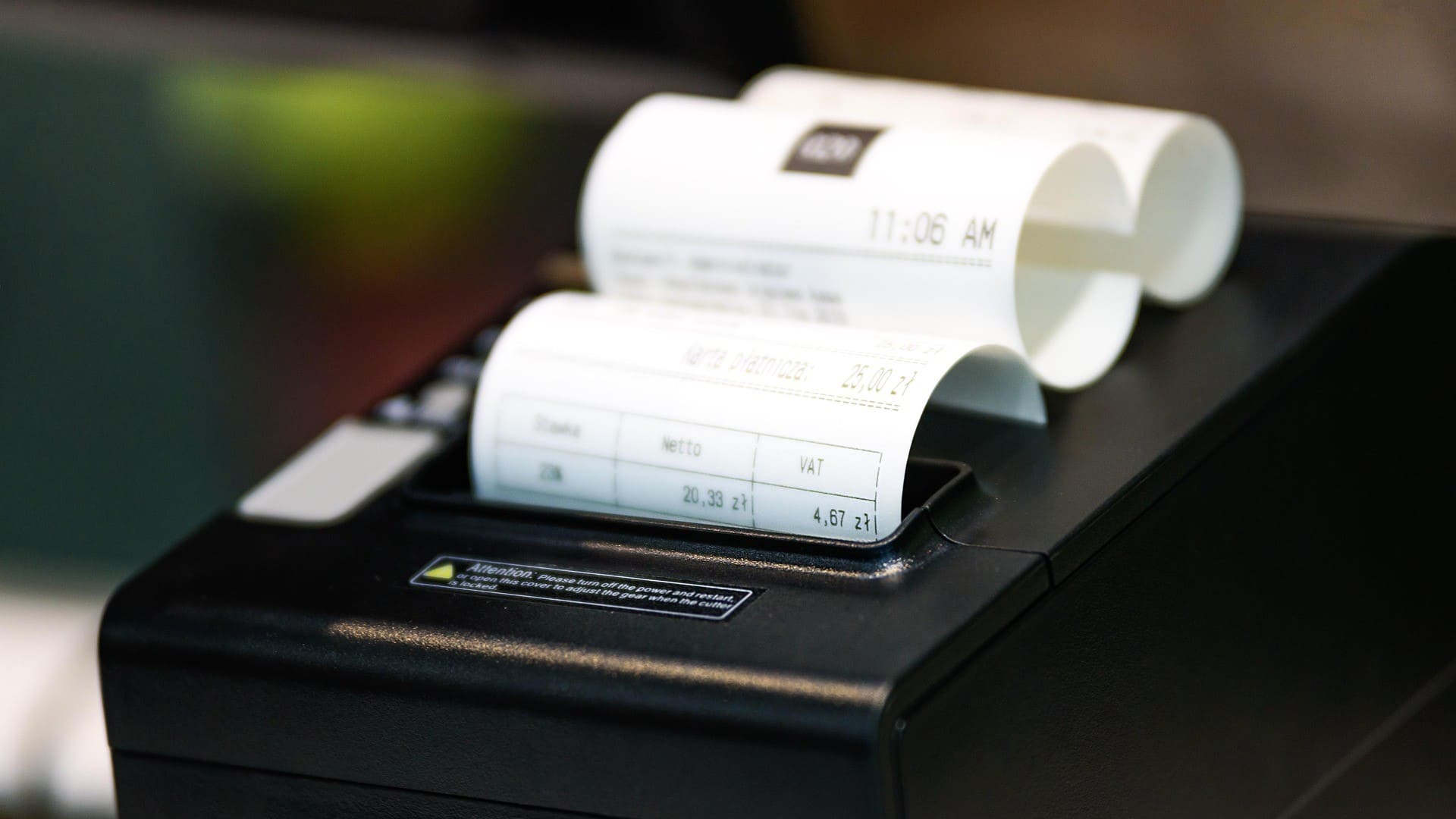
Purchase verification via receipts can be done through either a manual or automated process. Key information on a receipt that is required to verify usually includes:
Invoice or receipt submission is one of the most secure ways a promotion can verify purchase and is incredibly popular in the promotional space – often seen in various promotional mechanics due to its security and simplicity.
Receipt validation is the manual or automated verification of a receipt. The retailer, the price, the product name, the date, the store address, and, of course, its uniqueness are the main factors examined when performing receipt validation to verify that the purchase is authentic.
Receipt validation is one of the safest methods to prove a purchase, most commonly used in try-me-free promotions but is also frequently used in other promotional mechanics, such as prize draws and instant wins. If not used in the initial POP checks of a promotion, participants will often be asked to retain their receipt for review after winning.
Promoters should be cautious, as there is always a possibility of error or mistake in a manual process, as well as the possibility of coming across edited receipts which have been modified to appear eligible.
Receipt robotics is an AI tool used to automate the verification process. Receipt robotics streamlines the verification process and can be supplemented by manual review to filter through entries where the AI can’t make a definitive decision.
Receipt robotics' AI can be tailored to identify any product, any retailer, and any location and is a way to protect against increasingly more sophisticated bad actors.
Receipt robotics can operate more quickly and reliably once the AI has been refined and trained over time. It can read the receipt to identify various elements and factors, including multiple product names, the appearance of receipts from different retailers, the date and time of purchase, and the detection of fraudulent entries.
A unique reference number is a string of alphanumeric characters printed on or inside promotional packaging which shoppers can use to verify they’ve bought a unique pack.
An affordable alternative that doesn’t involve modifying the packaging process is a URN that is sent instantly via SMS or through email. These can also be great options for promotions that are off-pack.
It's a useful method of providing POP for promotions that don't require a receipt and uniquely identifies a participant; it’s effective for many promotional mechanics, including both prize draws and instant wins.
Promoters must make sure that promotions that depend on accurate unique reference numbers are printed correctly, ideally inside a pack rather than outside, and are completely readable by customers.
Promoters can focus on building loyalty by authorising POP at checkout, although as an additional measure, brands can still use receipt robotics and receipt validation on digital and physical invoices.
Linking a promotion to the use of a loyalty card encourages customers to use their membership by, for instance, requiring them to accumulate a certain number of points or stamps in order to be eligible for a promotion or a gift. Because each successful sale is directly linked to the loyalty card, it also makes tracking purchases simple.
However, rather than going to several stores, customers usually prefer just buying what they need at one store. This type of POP is mostly used by retailers and only works well if customers have a loyalty card for the retailer and are shopping at the retailer’s online or physical stores.
A series of characters that identify the product (also known as the SKU) make up the barcode and batch code. A product's details, such as the manufacturer code and production date, are indicated and identified by the batch code. This information can be used to determine whether the product falls within the duration of a live promotion; that is, was the product produced in advance of a promotional period?
It can be regarded as a time-saving technique for adding POP measures in place because the batch code and barcode are already on the product's packaging. However, there are certain drawbacks and issues with the security and efficacy of this method of POP. The primary problem is that the same product is highly likely to share the same batch code and barcode, which makes it simple for anyone to enter a promotion that uses batch codes and barcodes as POP – accelerated by websites and social media platforms in the "comper" community. When employing this strategy, promoters should exercise caution.
Promotions Interactive has been managing large-scale transactions for cashback and rebate promotions, money-back guarantee promotions, and other large-scale payouts since 2016. Processing these payouts across multiple countries and currencies and accurately verifying those claims.
Get in contact with our team for free at +44 (0) 203 80 555 36 or hello@promotionsinteractive.com for professional and expert advice on promotions, including implementing purchase verification and receipt robotics.


We’re happy to answer any of your questions or to tell you more about what we do and how we could support your next promotional campaign.


Enter your telephone number below and one of our UK-based experts will call you back immediately.
